The Evolution of AI Photo Editing Technology
Artificial Intelligence (AI) has dramatically transformed the realm of photo editing, evolving from rudimentary algorithms to sophisticated applications that mimic human creativity. Understanding this evolution not only provides insights into the technology's capabilities but also highlights its potential in shaping the future of visual content creation. As we navigate through this landscape, tools like the ai photo editor play crucial roles in enhancing creativity and efficiency for users across various industries.
Historical Context of AI in Photo Editing
The journey of AI in photo editing began in the late 20th century with the introduction of basic image editing software. Initially, such tools required extensive manual input, and the scope for creativity was limited. However, the rise of machine learning algorithms in the 2010s marked a significant shift. Photographic software started integrating AI capabilities, allowing for automated adjustments like brightness, contrast, and color correction.
Major Milestones in AI Photo Editing Development
- 2012: The advent of deep learning revolutionized image processing, enabling advanced functions such as facial recognition and object detection.
- 2015: Adobe’s integration of AI, named Adobe Sensei, began to personalize user experiences by predicting editing preferences.
- 2020: The launch of AI-driven apps that facilitate real-time editing showcased the significant progress in user interactivity and automation.
Current State of AI Tools and Features
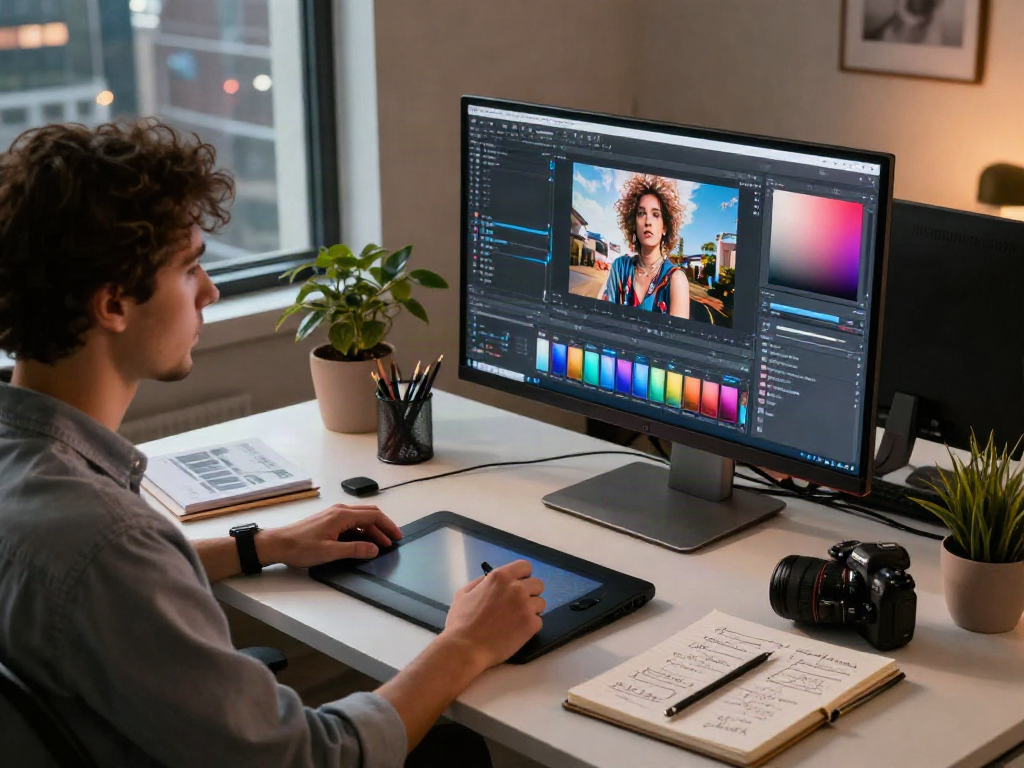
Today, AI photo editors offer a range of sophisticated features such as content-aware fills, sky replacements, and automated retouching. These innovations not only save time but also enhance the creative capacity of both amateur and professional photographers. The current landscape is defined by tools that offer intuitive interfaces and smart features that anticipate user needs, making photo editing a more enjoyable and productive process.
How AI Photo Editors Transform Creative Workflows
The integration of AI into photo editing has remarkably reshaped creative workflows, allowing for smoother processes and enriched output. Whether used in marketing, graphic design, or personal projects, these tools streamline tasks and elevate the quality of the final product.
Streamlining Processes for Graphic Designers
Graphic designers are now able to expedite their workflows significantly through AI photo editors. Tasks that once took hours can now be completed in minutes, thanks to features like batch processing and template designs. This efficiency grants designers more time to focus on the creative aspects of their projects.
Enhancing Productivity with Automation
Automation is a significant benefit of AI photo editing tools. By taking over repetitive tasks, AI allows users to concentrate on the more artistic parts of their work. Features such as auto-enhance, intelligent cropping, and effective tagging of images are just a few examples of how AI enhances productivity.
User Experiences Compared to Traditional Editing Tools
When comparing experiences between traditional photo editing tools and their AI-enhanced counterparts, users often report a marked difference in satisfaction levels. AI editors tend to be more user-friendly, reducing the learning curve associated with complex software. This accessibility makes them attractive to a broader audience, opening doors for those who might have previously felt intimidated by manual editing.
Top Features of Leading AI Photo Editors in 2026
As we look to the future, the capabilities of AI photo editors will continue to expand. 2026 promises to introduce even more groundbreaking features that will redefine user experience and creative potential within the field.
Advanced Image Enhancement Tools
The next generation of AI photo editors will likely incorporate even more advanced image enhancement tools, allowing users to perform sophisticated edits with minimal effort. Features may include enhanced AI upscaling, deeper integration of neural networks for skin retouching, and the ability to simulate various photographic styles seamlessly.
Real-Time Collaboration Features
With the growing demand for collaborative projects, real-time editing capabilities will become a standard feature. This will enable multiple users to work on an image simultaneously, making it easier for teams to coordinate their ideas and approaches in a single, shared workspace.
Integration with Other Creative Software and Platforms
The synergy between AI photo editors and other creative platforms will enhance functionality further. Expect to see improved integration with design software, content management systems, and social media platforms, making the transition from editing to distribution even smoother.
Challenges and Considerations for Users
Despite the numerous advantages offered by AI photo editors, there are challenges and considerations that users should be aware of. Understanding these aspects will empower users to maximize the benefits of these tools while mitigating potential drawbacks.
Common Misconceptions about AI Photo Editing
One of the most persistent misconceptions surrounding AI photo editors is that they can fully replace human creativity. In reality, while AI tools can automate many processes, the unique vision and artistic sensitivity of a human creator remain irreplaceable. AI serves as a powerful assistant, not a substitute.
Ethical Implications of AI in Creative Fields
The rise of AI photo editing also raises ethical questions, particularly regarding authenticity and the manipulation of images. As these tools become more powerful, it is essential for users to consider the implications of their edits, especially in contexts like journalism or advertising where authenticity is critical.
Understanding Learning Curves for New Users
While AI photo editors are generally designed to be user-friendly, there is still a learning curve associated with mastering these tools. New users may face challenges navigating advanced features and maximizing the tool's capabilities. Adequate training resources and user support will be essential to ease this transition.
Future Trends in AI Photo Editing
As we anticipate the developments in the realm of AI photo editing, several trends are likely to emerge in the coming years that will shape the industry's landscape.
Predictions for 2026 and Beyond
In 2026, we can expect an even tighter integration of AI with augmented reality (AR) and virtual reality (VR). This technology may allow users to visualize edits in real-time, providing a more immersive editing experience. Additionally, the role of AI in predictive analytics will assist users by suggesting edits based on historical preferences and styles.
Emerging Technologies Impacting AI Photo Editing
Emerging technologies like 5G will facilitate real-time processing and collaborative editing across various devices. This connectivity will yield opportunities for enhanced mobile editing experiences, making high-quality photo editing accessible anywhere.
How Users Can Stay Ahead in the Evolving Landscape
To remain competitive in the evolving landscape, users should continually educate themselves about new features and updates in AI photo editing tools. Engaging in communities, attending workshops, and experimenting with new software will ensure that users can take full advantage of technological advancements.
What are the benefits of using an ai photo editor?
Utilizing an AI photo editor streamlines workflows, enhances creative potential, and automates repetitive tasks. Users can achieve professional-quality results more efficiently, allowing them to focus on the artistic aspects of their work.
How does AI enhance traditional photo editing techniques?
AI enhances traditional photo editing techniques through automation, suggesting intuitive edits and helping to achieve desired outcomes faster. It can analyze images and make adjustments that may not have been apparent to human editors.
Are there any drawbacks to using AI editors?
Some drawbacks include potential reliance on technology that may stifle creativity and ethical concerns around image manipulation. Additionally, there may be a learning curve for users unfamiliar with advanced AI features.
What features should I look for in an ai photo editor?
When selecting an AI photo editor, look for advanced enhancement tools, real-time collaboration features, user-friendly interfaces, and integration capabilities with other creative software.
How can I improve my skills with an ai photo editor?
Improving your skills with an AI photo editor involves practice, exploring tutorials, and joining online forums or communities to gain insights from other users. Regularly experimenting with new features will also help enhance your proficiency.