
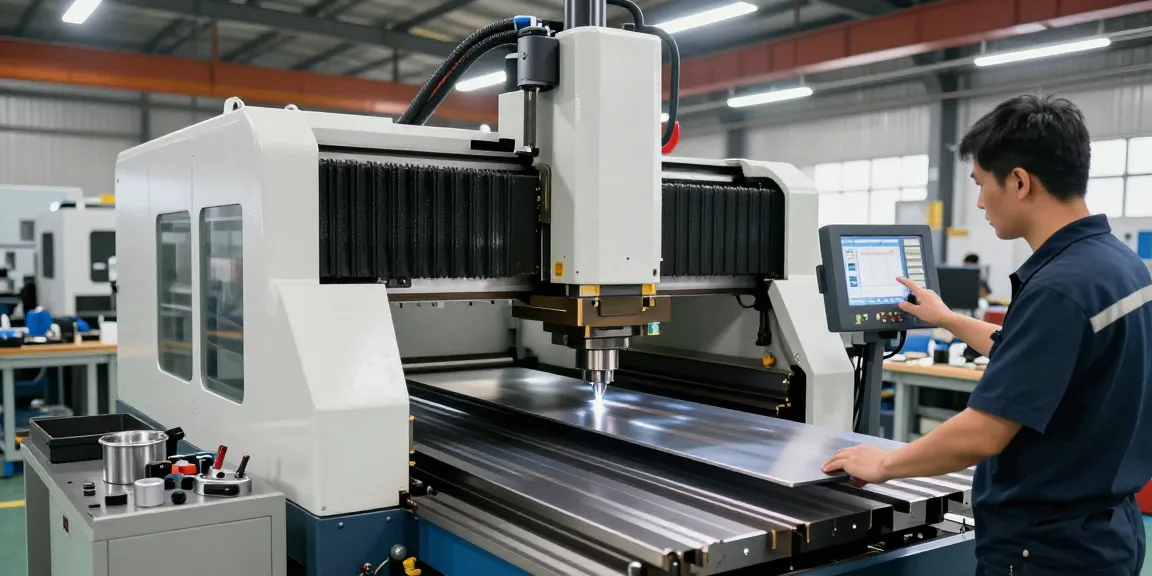
- Understanding Hydraulic CNC Press Brake Machine Technology
- Configurations of Hydraulic CNC Press Brake Machines
- Applications of Hydraulic CNC Press Brakes in Modern Manufacturing
- Operational Best Practices: Getting the Most from Your Hydraulic CNC Press Brake
- The Future of Hydraulic CNC Press Brakes: Trends to Watch
Understanding Hydraulic CNC Press Brake Machine Technology
The hydraulic CNC press brake machine is a critical piece of equipment in modern manufacturing, used for bending metal sheets accurately and efficiently. By utilizing advanced controls and hydraulics, these machines provide exceptional flexibility and precision, making them ideal for a wide range of applications. As industries evolve, the demand for such high-performance machinery only continues to rise. When exploring options, hydraulic cnc press brake machine configurations are at the forefront of technological advancements, offering innovative features that enhance productivity and operational excellence.
Key Features and Advantages of Hydraulic CNC Press Brakes
Hydraulic CNC press brakes are distinguished by their superior precision and advanced functionality compared to traditional mechanical brakes. Here are some key features:
- Precision Control: The ability to manage bending angles with a high degree of accuracy, often within ±0.01mm, is attributed to the CNC control systems coupled with closed-loop hydraulics.
- Multiple Axes Control: Standard configurations typically include control of up to 4+1 axes, enabling complex bending operations with ease.
- Automated Calibration: Advanced systems can self-correct for variances in material thickness, which significantly enhances the quality of production runs.
- Real-Time Adjustment: The ability to adjust positions dynamically allows for versatility in designing parts in a multi-step process.
These features translate into lower operational costs, reduced material waste, and enhanced overall efficiency in the manufacturing process.
Comparative Analysis: Hydraulic vs. Mechanical Press Brakes
While both hydraulic and mechanical press brakes serve the same fundamental purpose, their operational methodologies differ significantly:
- Power Source: Hydraulic machines use oil to transfer force, whereas mechanical press brakes rely on gears and levers. This leads to smoother operation in hydraulics.
- Efficiency: Hydraulic systems offer more efficiency in energy consumption, particularly in high-usage settings, while mechanical systems can exhibit faster operation.
- Maintenance: Hydraulic systems often require more maintenance due to fluid management, while mechanical options can face wear and tear of mechanical components.
Ultimately, the choice between hydraulic and mechanical types depends on the specific operating environment and intended applications.
Latest Innovations in Hydraulic CNC Technology
The hydraulic CNC press brake industry is consistently innovating, with recent advancements focusing on:
- Smart Controls: Integration with IoT technology allows for remote monitoring and operational analytics, providing insights that can lead to further operational efficiency.
- Energy Efficiency: New systems can reduce energy consumption significantly, making machines more environmentally friendly and cost-effective.
- Increased Automation: Options for robotic integration enhance production efficiency by reducing human intervention during complex bending processes.
These innovations represent a critical leap forward, positioning hydraulic CNC press brakes as leaders in automation and precision manufacturing.
Configurations of Hydraulic CNC Press Brake Machines
Standard Models and Their Specifications
Hydraulic CNC press brakes are offered in various models to suit different manufacturing needs. The standard specifications highlight notable machine capabilities:
| Model | Nominal Pressure (kN) | Length of Table (mm) | Stroke (mm) | Open Height (mm) | Main Motor (kw) |
|---|---|---|---|---|---|
| WEK 63T/2500MM | 630 | 2500 | 160 | 400 | 7.5 |
| WEK 100T/3200MM | 1000 | 3200 | 400 | 450 | 11 |
| WEK 400T/4000MM | 4000 | 4000 | 400 | 605 | 30 |
These models provide robust capabilities suited to various operations, from light metalwork to heavy industrial applications.
Custom Configurations and Add-ons
Beyond standard models, customized configurations can include:
- Advanced Sensors: For enhanced feedback and control during critical bending operations.
- Variable Axis Controls: Options for additional axes permit more complex geometrical bending.
- Enhanced Safety Features: Optional light curtains and emergency stop mechanisms that increase operational staff safety.
Customization maximizes the machine’s usability and efficiency for specific production needs.
Automated Systems and Integration Options
Automated systems are increasingly essential in hydraulic CNC press brakes, with integration options such as:
- Robotic Arms: Automated feeding and unloading of materials streamline the manufacturing process.
- Software Integration: Advanced programming software allows for intuitive operation and error checking.
- Cloud Connectivity: Enables data collection and continuous monitoring for predictive maintenance.
These integrations lead towards Industry 4.0 standards, enhancing productivity while facilitating remote access and data analytics.
Applications of Hydraulic CNC Press Brakes in Modern Manufacturing
Industries Benefiting from Hydraulic CNC Press Brakes
Hydraulic CNC press brakes are utilized across various industries, including:
- Aerospace: Manufacturing aircraft components with stringent specifications.
- Automotive: Creating parts that require a high degree of repeatability and precision.
- Construction: Bending structural metals for building frameworks and components.
This widespread applicability underscores the versatility and essential nature of hydraulic CNC press brakes in modern manufacturing.
Typical Metal Bending Processes and Techniques
Common processes employed with hydraulic CNC press brakes include:
- V-Bending: The most prevalent technique, suited for various metal thicknesses.
- U-Bending: Ideal for creating U-shaped channels, beneficial in HVAC applications.
- Coining: A precise technique often used for obtaining tight radii bends.
These methods enable manufacturers to achieve complex designs efficiently and accurately.
Case Studies: Successful Implementations
Industry leaders have achieved significant advancements through the integration of hydraulic CNC press brakes. For example, a leading automotive manufacturer significantly reduced cycle time by integrating robotic arms that collaborated with hydraulic bends, enhancing both speed and precision.
Operational Best Practices: Getting the Most from Your Hydraulic CNC Press Brake
Setup, Calibration, and Maintenance Guidelines
To ensure optimal performance, consider the following best practices:
- Regular Calibration: Schedule routine calibrations to maintain accuracy levels, ensuring that the bending machine performs at its best.
- Scheduled Maintenance: Implement a structured maintenance schedule to avoid unscheduled downtimes.
- Proper Setup: Follow user manuals for setup procedures, focusing on the adjustment of back gauge and crowning mechanisms.
Enhancing Efficiency with Correct Tooling
Utilizing appropriate tooling is essential for the efficiency of hydraulic CNC press brakes. Factors to consider include:
- Tool Material: Opt for materials that withstand wear and maintain sharp edges for precision.
- Tool Design: Ensure tools are designed specifically for the types of bends you will execute.
- Fast Changeover: Employ tooling systems that allow rapid changeovers to minimize setup times.
Safety Measures and Compliance Regulations
Ensuring operator safety is paramount with hydraulic CNC press brakes. Compliance with regulations can involve:
- Protective Shields: Install appropriate guards and light curtains to create a safer working environment.
- Training Programs: Develop comprehensive training for operators on machine use and emergency protocols.
- Regular Audits: Conduct safety audits to comply with industry regulations and maintain safety standards.
The Future of Hydraulic CNC Press Brakes: Trends to Watch
Emerging Technologies in CAD and Bending Automation
The landscape of hydraulic CNC bending is expected to evolve significantly with advancements in CAD software that can optimize the bending process for efficiency and accuracy. Enhanced simulation tools will help predict potential issues before production begins.
The Role of AI in Improving Precision and Efficiency
Artificial Intelligence is set to revolutionize the operation of hydraulic CNC press brakes by:
- Automated Quality Control: AI can be employed to monitor production in real-time, analyzing data for immediate adjustments.
- Predictive Maintenance: Using big data analytics to forecast machine failures before they occur.
- Enhanced Automation: Streamlining operations through integrated machine learning algorithms that enhance operational decision-making.
Environmental Impact and Energy Efficiency Considerations
With increasing regulations on environmental impact, hydraulic CNC press brakes are evolving to incorporate energy-efficient technologies. Innovations such as hybrid servo motors that reduce electricity consumption while increasing performance will gain traction.
FAQs
What is a hydraulic CNC press brake machine?
A hydraulic CNC press brake machine is a precision tool used in manufacturing for bending sheets of metal using hydraulic force controlled by a computerized system.
How does a hydraulic press brake work?
The machine utilizes hydraulic fluid to generate pressure, allowing it to lift and lower a ram that shapes the metal as it passes through a die.
What are the maintenance requirements for hydraulic CNC press brakes?
Maintenance typically includes regular calibration, fluid checks, and ensuring that all safety features are operational to prevent malfunctions and ensure consistent performance.


